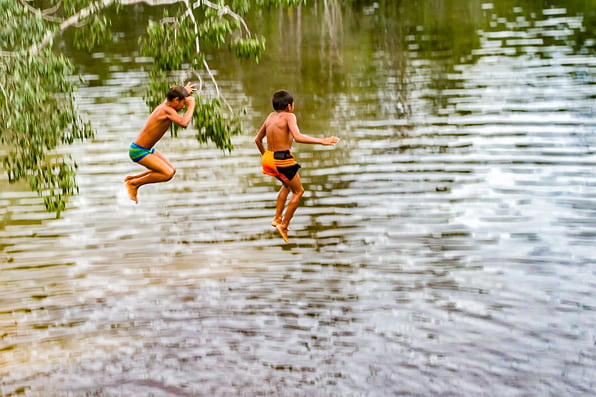
Riverside communities in the Amazon are rooted in a long history shaped by the interaction of Indigenous peoples, traditional populations, and migrant groups, forming unique cultural identities influenced by the rhythms of the rivers, life in the forest, and deep adaptation to their environment.
Despite economic, social, and environmental changes, these riverside communities remain connected by the flow of the rivers - preserving ways of life grounded in cooperation and respect for natural cycles.


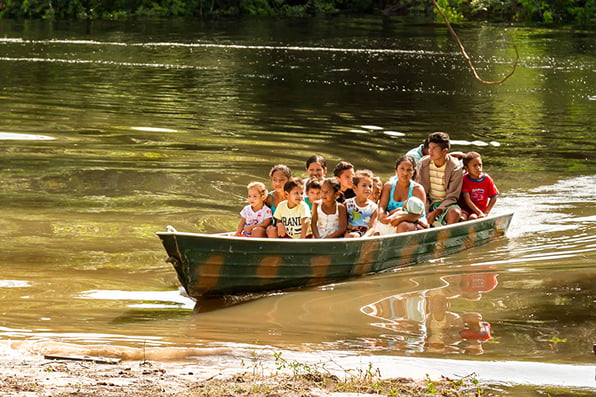
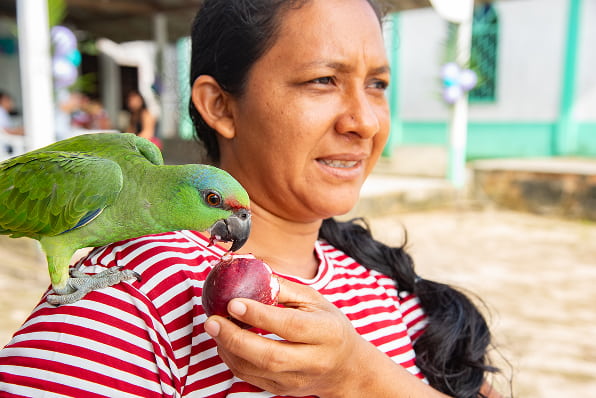
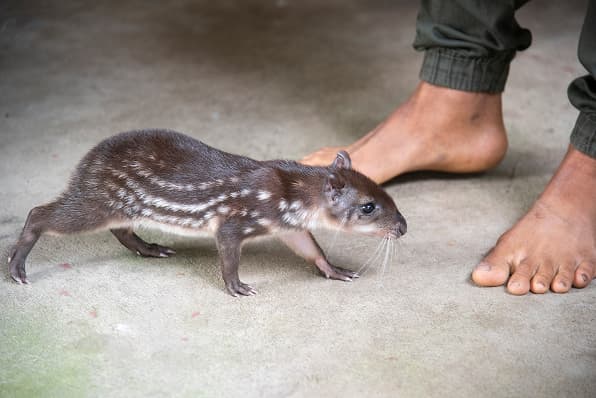
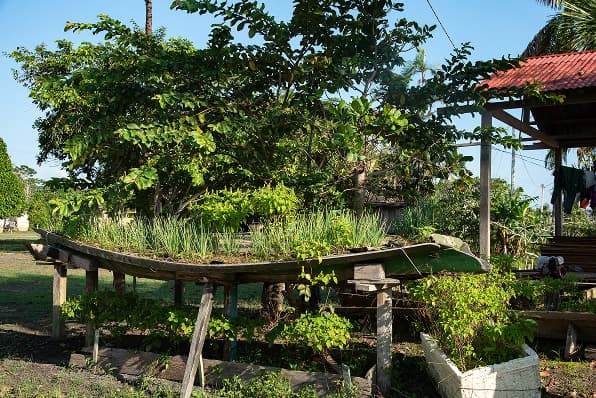
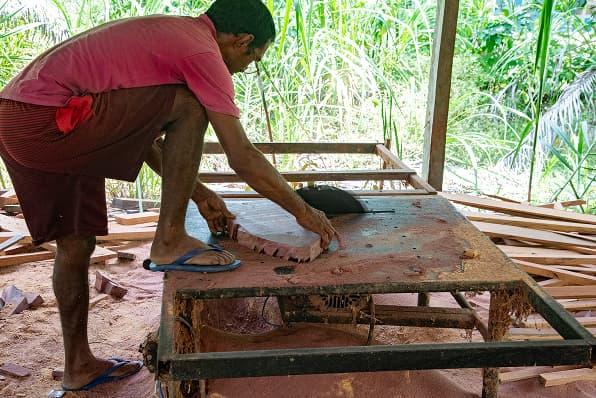
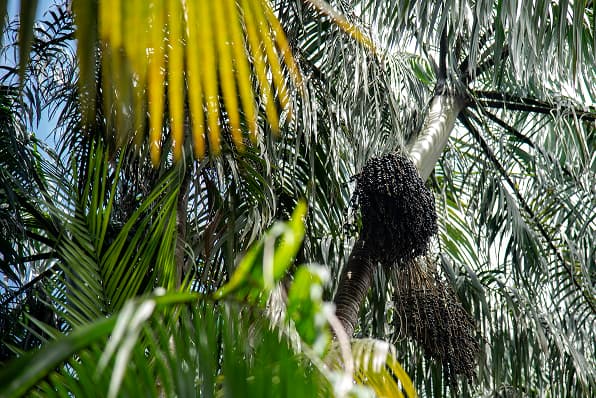
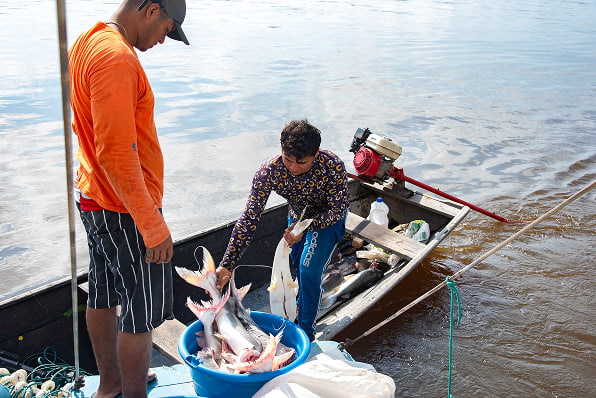
Life in riverside communities is shaped by a direct and deep connection to nature. Daily customs are woven through the relationship with the river and the rainforest. Artisanal fishing, subsistence farming, forest gathering, and the sustainable use of natural resources support families while preserving knowledge passed down through generations. Their beliefs and strong sense of community create a culture that is both rich and alive.
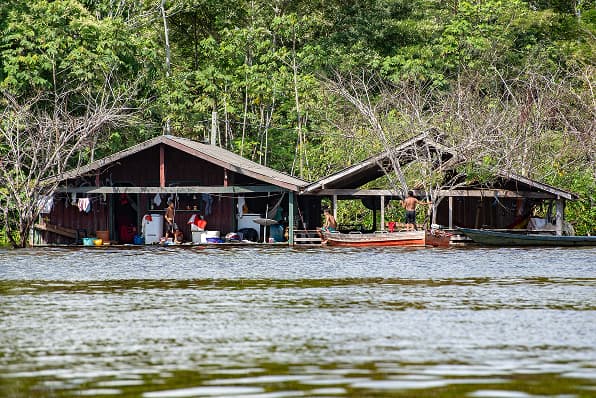
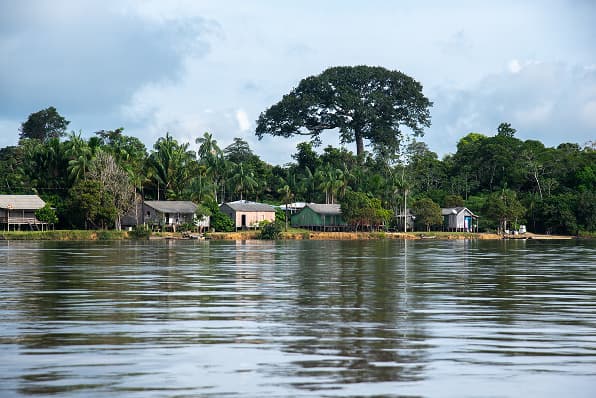
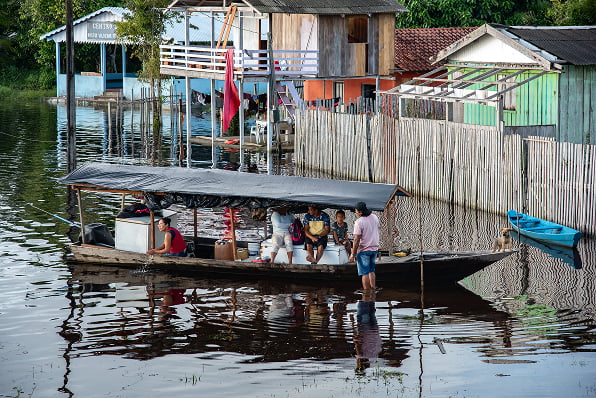
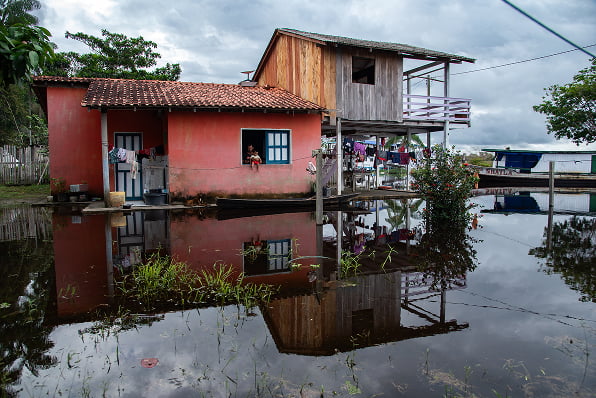
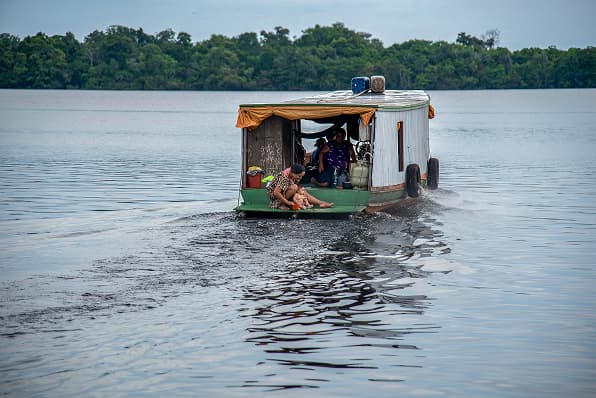
In brightly painted homes and with quiet, reserved smiles, you glimpse a way of life shaped by both presence and neglect - by the rainforest and the challenges of long distances. Here, the river is the road, the source of livelihood, and a mirror of identity; it sets the rhythm of daily life and carries stories of belonging and resilience.

Despite the natural abundance that surrounds them, riverside communities face long-standing challenges in accessing fundamental human rights, such as healthcare, education, sanitation, and basic infrastructure. Geographic isolation makes consistent access to services difficult and deepens social inequalities.
Even so, these communities remain guardians of an extensive knowledge of the forest and its rivers, playing a vital role in preserving the Amazon and shaping a more sustainable future.